Byzantine Glass – a shattering short history
Glass is something that we take for granted today. We have glass in windows of our homes and cars, bullet proof glass and mirrors, jars sealed with all manner of food items and also many decorative items as well. In the earlier days of glass, almost every item, no matter how utilitarian, was given at least a pleasing form and sometimes could be very elaborate.
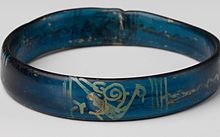
While originally glass was a luxury item, it seems that by the middle Byzantine period, it was relatively cheap and plentiful, with even the middle class easily purchasing glass drink ware and the commonly used shallow oil lamp with a free-floating wick was just as likely to made of glass as clay. In fact, it was so much more efficient for this purpose, they may have eventually phased out clay lamps, The sand along the coast of the Mediterranean was a good source for early glass making and sites both in Constantinople and Emesa (modern Homs, Syria) have been established.
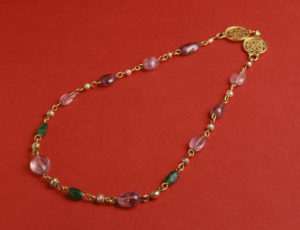
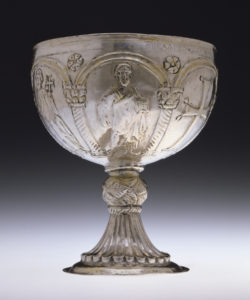
Vases have been recovered from archaeological sites in areas the Empire encompassed. There has been such a plethora of glass from these periods found, that archaeologists have had to revise their earlier assessment that glass was only for the wealthy. The wealthy, however, could probably afford much more of the highly adorned, decorative objects such as vases and goblets, though perhaps even the lower classes might find in their possession an object with threads of different colored glass wound around it and pressed into the surface such as Sigga Úlfsdóttir remembers from her childhood in my still in progress novel, The Bone Goddess
Her fingers now thoroughly numb, she headed back with her meager collection. The faint twinkle of flame served as a beacon to her, as she made her way back to the village, rising up, it seemed, straight from the snow-covered marsh. Every reed was etched in sharp relief by frost, as if it had been made of pure spun glass. It reminded her of a small glass vase her father had brought home when she was very young. It had come from the markets of Constantinople. The vase itself was milky, but it was threaded with strands of blue crystalline glass, blown delicately around its neck and base, like a spiders web. The vase was gone now, she didn’t know where, no doubt shattered into a multitude of fragments. Its memory was reminiscent of a happier time.